The questions we are askedbefore a Gulf Coast stay
Straight answers on hurricane season, red tide, minimum stays, licensing and the local rules along Anna Maria, 30A, Clearwater and Madeira Beach.
[ Reviewed for the 2026 season ]

The short version
Three things decide most of a Gulf Coast stay: when you come, what the water is doing, and what the local rules allow. Hurricane season runs June 1 to November 30, and its peak falls in September. Sea turtle nesting runs May 1 to October 31, which is why beachfront lights stay shielded after dark. Minimum stays are set by each city and its zoning district rather than by the owner, so two towns twenty minutes apart can answer the same request differently.
When to come
Hurricane season runs June 1 to November 30. The climatological peak falls in the second week of September, and most activity lands between mid August and mid October. That is a window to plan around rather than a reason to stay away, because the same months bring the warmest water and the thinnest crowds of the year.
Winter through spring is the busy season on this coast. If you want the beach to feel like it is yours, look at May and early June, or late September into October.
The quietest weeks and the warmest water are the same weeks.
What the water is doing
Red tide is a bloom of the alga Karenia brevis. Blooms most often begin in late summer or early autumn and can persist into winter or spring, but the duration varies and a bloom offshore does not always reach the shoreline. Florida Fish and Wildlife publishes sampling results daily, and we read them before we answer a question about a specific week.
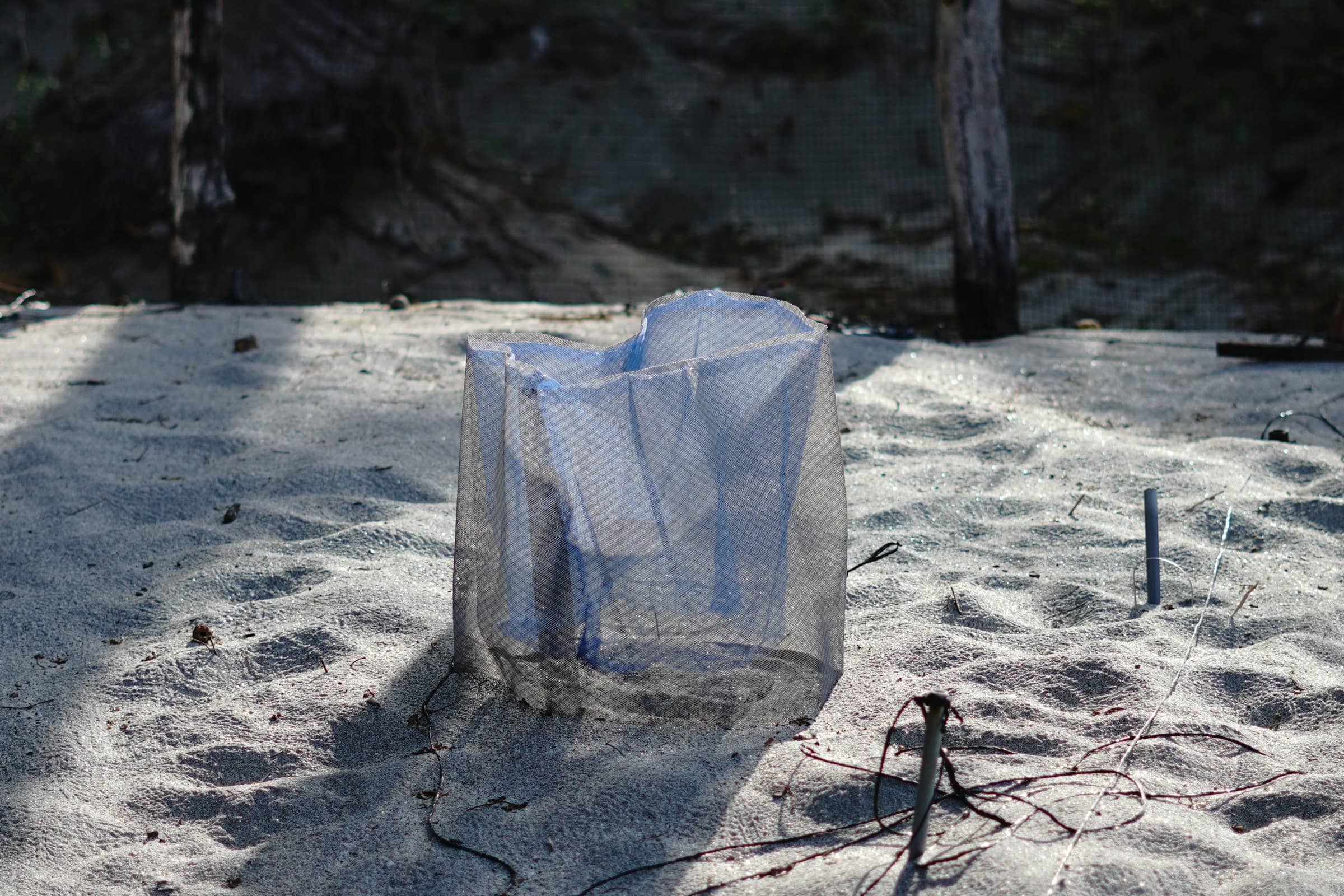
Sea turtle nesting runs May 1 to October 31. Through that window beachfront lighting is shielded, mounted low and kept long in wavelength, which is a local ordinance rather than a house preference. It is also why an evening on the sand in nesting season is darker, and better, than you expect.
What the local rules allow
Florida stops a city from banning vacation rentals outright, but an ordinance already on the books on June 1, 2011 is grandfathered and remains fully enforceable. That single date is why this coast is not one market. A town that wrote its rules early can hold a long minimum stay, and a town that did not cannot impose one now.
So the minimum stay on any given address is set by its city and its zoning district, not by its owner and not by us. Two houses twenty minutes apart can answer the same request differently. Ask us about the address rather than the region, and we will tell you what it can actually do.
If the house is yours
A Florida home rented for periods of fewer than thirty days, more than three times in a calendar year, is a vacation rental in the eyes of the state, and it needs a license from the Department of Business and Professional Regulation before it is advertised or rented. Most Gulf Coast jurisdictions then want their own registration on top of that, usually with an inspection and a named local party who can reach the property quickly.
Renting for six months or less also makes you a transient rental provider for tax. You register for sales tax with the Florida Department of Revenue, and a county tourist development tax applies on top. And state law governs what a government may do, not what your deed says: an association can still restrict rentals through its covenants even where the city permits them.
Common questions
- When is hurricane season on Florida's Gulf Coast?
- Atlantic hurricane season runs June 1 to November 30. The climatological peak is the second week of September, and most activity falls between mid August and mid October.
- What is red tide, and will it affect my stay?
- Red tide is a bloom of the alga Karenia brevis. Blooms commonly begin in late summer or early autumn and can last into winter or spring, though a bloom offshore does not always reach the beach. Florida Fish and Wildlife publishes sampling results daily, so conditions for a specific week can be checked before you travel.
- When is sea turtle nesting season, and why are the beachfront lights shielded?
- Nesting season runs May 1 to October 31. Coastal ordinances require beachfront lighting to be shielded, mounted low and kept long in wavelength through that window, so that hatchlings are not drawn away from the water.
- Why is there a minimum stay, and can I book just two nights?
- The minimum stay is set by the city and the zoning district a house sits in, not by its owner. It varies across the Gulf Coast, so the answer depends on the address rather than the region. Tell us the house and the dates and we will tell you what is possible.
- Which Gulf Coast beach should I choose?
- Anna Maria Island reads low and residential. Clearwater Beach is the built-up resort strip. 30A is a chain of designed coastal towns. Madeira Beach is a working beach town. The right answer depends on whether you want quiet, energy, design or a dock.
- Do I need a license to rent my Florida home short term?
- Yes. A home rented for periods of fewer than thirty days, more than three times in a calendar year, is a vacation rental under Florida law and requires a license from the Department of Business and Professional Regulation before it is advertised or rented.
- Can my city ban short-term rentals?
- Florida prevents a local government from prohibiting vacation rentals or regulating how long or how often a home is rented, unless the ordinance was already in place on June 1, 2011, in which case it is grandfathered and enforceable. Cities may still regulate registration, inspection, safety, occupancy, parking and noise.
- Can my association stop me even if the city allows it?
- Yes. State law limits what a government may do, not what a private covenant says. An association can restrict or prohibit rentals through its documents, commonly with a minimum lease term.
- What taxes apply when I rent my home short term in Florida?
- Renting accommodations for six months or less makes you a transient rental provider. You register for sales tax with the Florida Department of Revenue, and a county tourist development tax applies on top, remitted to the state or to the county depending on the county.
The honest answer to almost every question on this page depends on the house. Tell us where you are looking, or which home is yours, and we will tell you what it can actually do.
Ask about the addressAsk aboutthe address
The honest answer to almost every question on this page depends on the house. Tell us where you are looking, or which home is yours, and we will tell you what it can actually do.
Ask about the address