· Revised October 2026
Through the pass, to where the grouper are.
How to choose a John's Pass fishing charter, half-day or long run, what each season brings, and how to fish the pass itself on a moving tide.
[ half-day for the cooler. full day for the story. ]
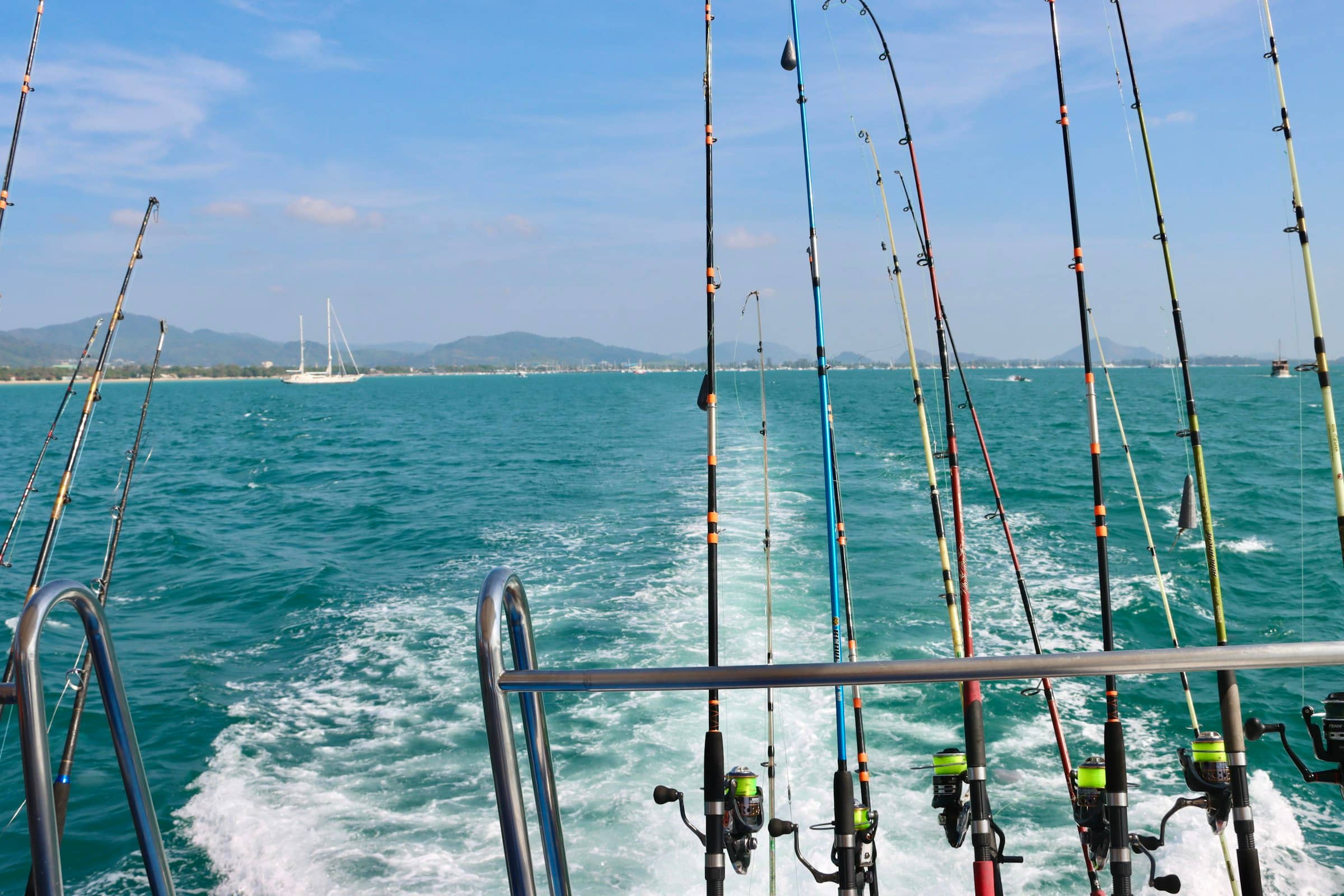
The short version
John's Pass is the Pinellas coast's working door to the gulf fishery. A charter here comes down to depth against time. Half-day trips work the nearshore reefs for snapper, grunts and the odd cobia. The longer runs chase the grouper the fleet is named for, over deeper structure. The charter supplies the license, tackle and knowledge, and your party brings weather sense and lunch. You can also skip the boat and fish the pass itself on a moving tide, from the jetty or a dock. It gives up snook, redfish and mackerel for the price of patience.
Choosing a John's Pass charter
Every charter at the dock comes down to one honest question: what is the day for? A half-day nearshore trip gives small children and casual anglers steady action over the close reefs. The party goes home with dinner and its attention span intact.
The long runs, eight hours and more, are for the grouper and the people who say the word grouper with intent. Expect deeper water, bigger tackle and a cooler that comes home heavy.
- A licensed charter covers the fishing license for its party.
- The captain brings the tackle and the local knowledge.
- Your party brings lunch and a sense of the weather.
Matching the captain to the party
Match the boat to the party the way the concierge matches everything else. Six adults who fish want a different captain than a family of mixed ages and one committed uncle. John's Pass has plenty of both, and the pairing is the difference between a good day and a long one.
The fishing seasons at John's Pass
The gulf off the pass fishes all year round, and only the cast of fish changes from one season to the next. Autumn stacks bait along the beaches and everything that eats follows it in, which makes October quietly the local favorite.
- Spring brings the kingfish runs past the beaches and the first tarpon rumors.
- Summer is the deep-water season for grouper and snapper over structure, fished early to beat the storm clock.
- Winter moves inshore, sheepshead on the pilings and redfish on the flats, on the coast's calmest, coolest days.
Regulations and open seasons
Regulations move with the seasons too. Species windows open and close by rule, and the charter fleet carries that knowledge so you do not have to. Ask the captain what is open and good, rather than arriving with a demand. The honest captains love the first question and dread the second.
Fishing the pass without a boat
The pass itself is a fishery, free to anyone with a rod and a tide chart. Moving water is the whole trick. The current carries bait through the cut, and the predators hold the seams. Snook hold against the structure, mackerel flash through the middle of the channel, and redfish work the edges. Slack tide is for re-rigging and coffee.
Dock fishing on the bay side
Dock fishing off the bay side is the children's version, and none the worse for it. Light tackle brings in pinfish and snapper from the dock while the pelicans supervise from a polite distance. The occasional serious surprise keeps the adults honest.
A house with its own dock turns this into the week's default idle, which is exactly what it should be.
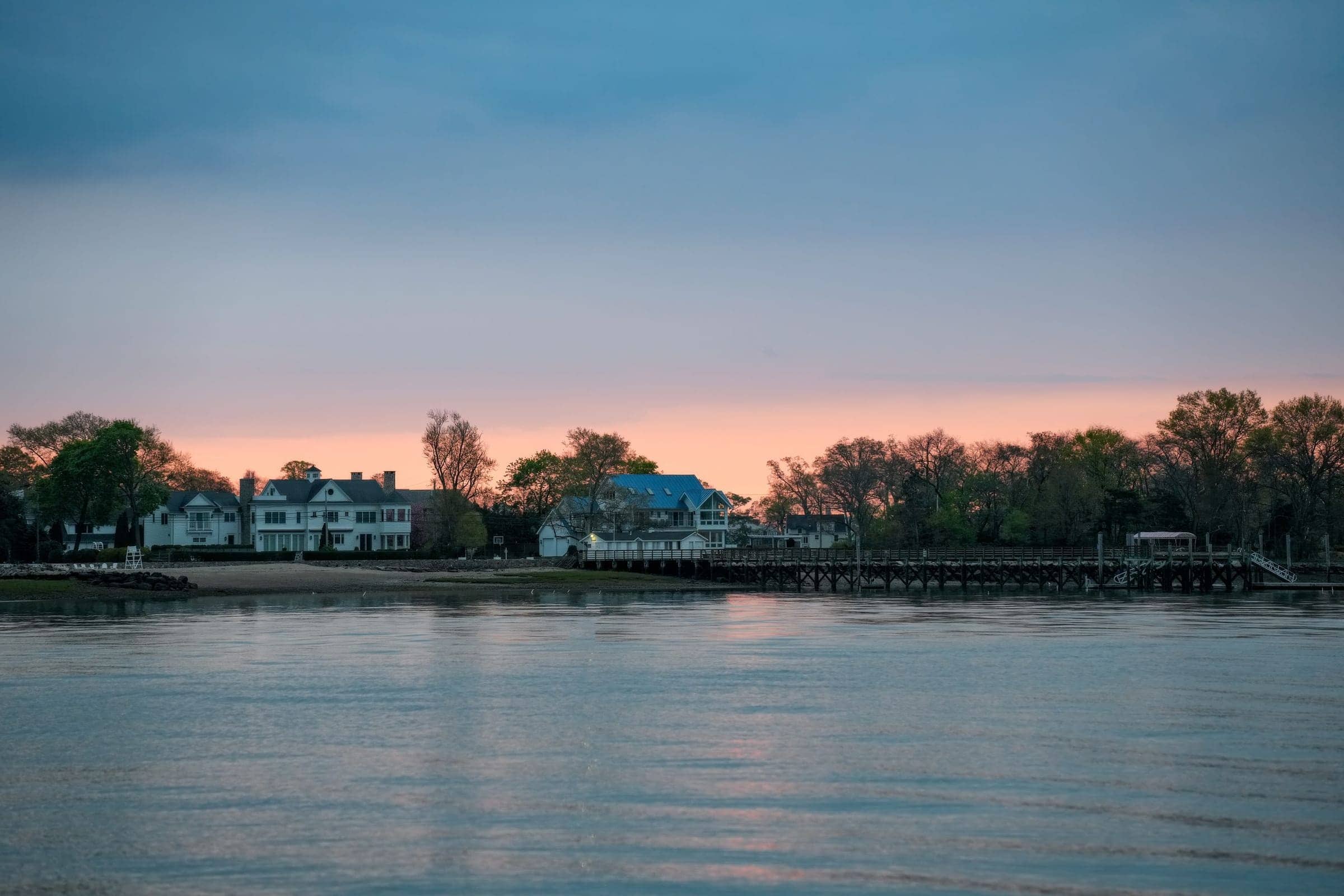
Residence in Madeira Beach, Florida
A relaxed cedar-and-white waterfront house on the Intracoastal at Madeira Beach, with a private dock, a moored skiff, and still water off the veranda.
Common questions
- Do I need a fishing license?
- Not on a licensed charter, which covers its party. Fishing on your own, from shore, a dock or a private boat, follows Florida's standard licensing, which you can arrange online in minutes. The concierge sorts it out with the rest of the week's paperwork.
- Half-day or full-day charter?
- Choose a half-day for families, first-timers and anyone whose goal is action plus dinner, because the nearshore reefs produce reliably. Choose a full day for the grouper and the deep water, with longer runs, bigger fish and a party that means it. When in doubt, the half-day wastes nobody's afternoon.
- Can you fish without a boat at John's Pass?
- Yes, and well. On a moving tide, the pass fishes from the jetty and boardwalk for snook, mackerel and redfish. The bay-side docks keep children in pinfish for as long as they like. On the right morning, a tide chart and patience outfish half the marina.
- When is the best time to fish John's Pass?
- The gulf fishes all year, so any month can work. October is quietly the local favorite, because autumn stacks bait along the beaches and the predators follow it in. Summer is the deep-water season for grouper and snapper, fished early to beat the storms.
- What can you catch out of John's Pass?
- Half-day trips on the nearshore reefs bring snapper, grunts and the odd cobia. The longer runs chase grouper over deeper structure. From the pass itself, anglers take snook, redfish and mackerel. Winter adds sheepshead on the pilings, and spring brings kingfish past the beaches.
Tell us the party and its ambitions, dinner, grouper, or a child's first fish, and the concierge will have the right boat holding the right morning.
Plan a fishing weekThe right captain, already booked.
Tell us the party and its ambitions, dinner, grouper, or a child's first fish, and the concierge will have the right boat holding the right morning.
Plan a fishing week